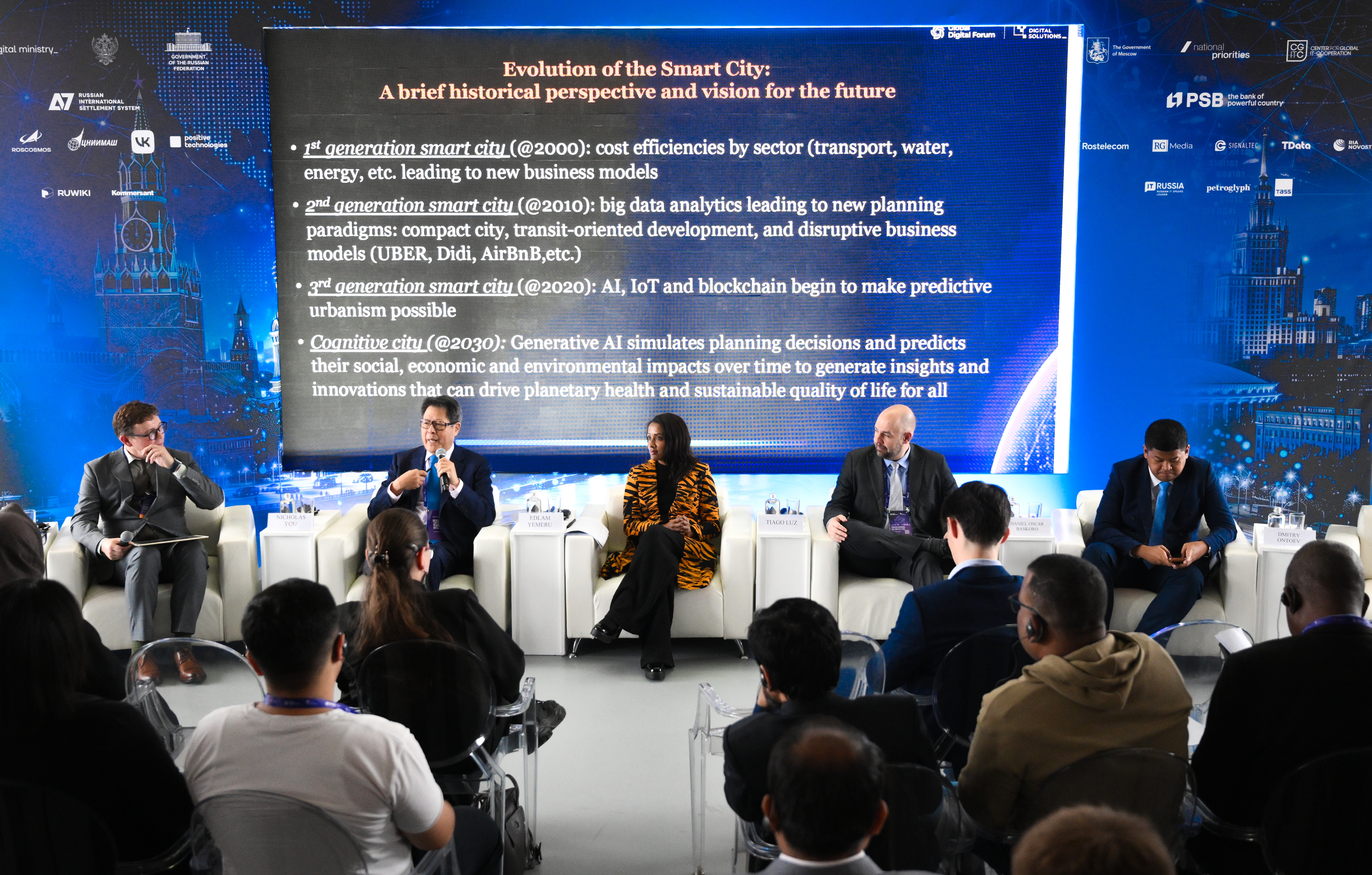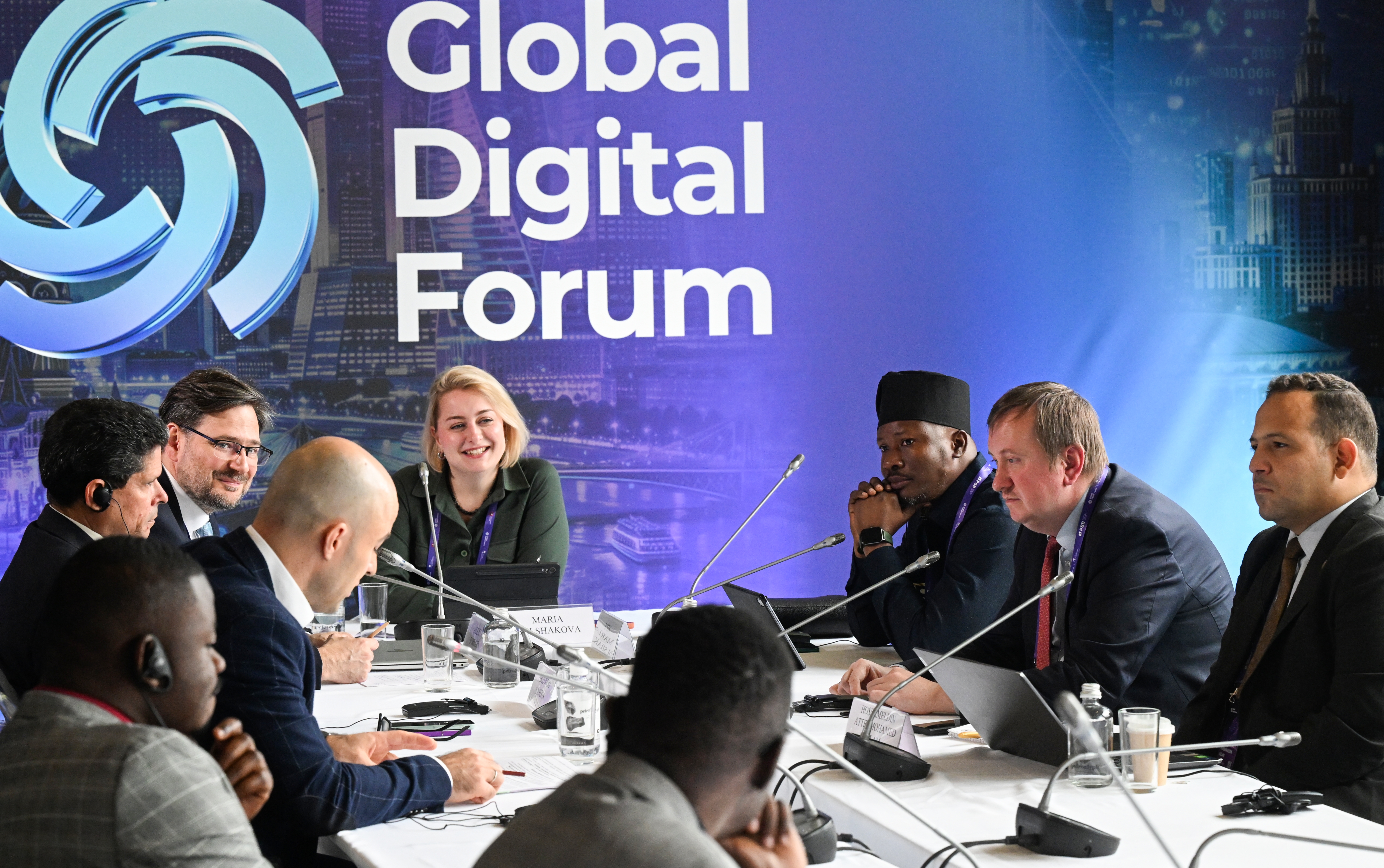


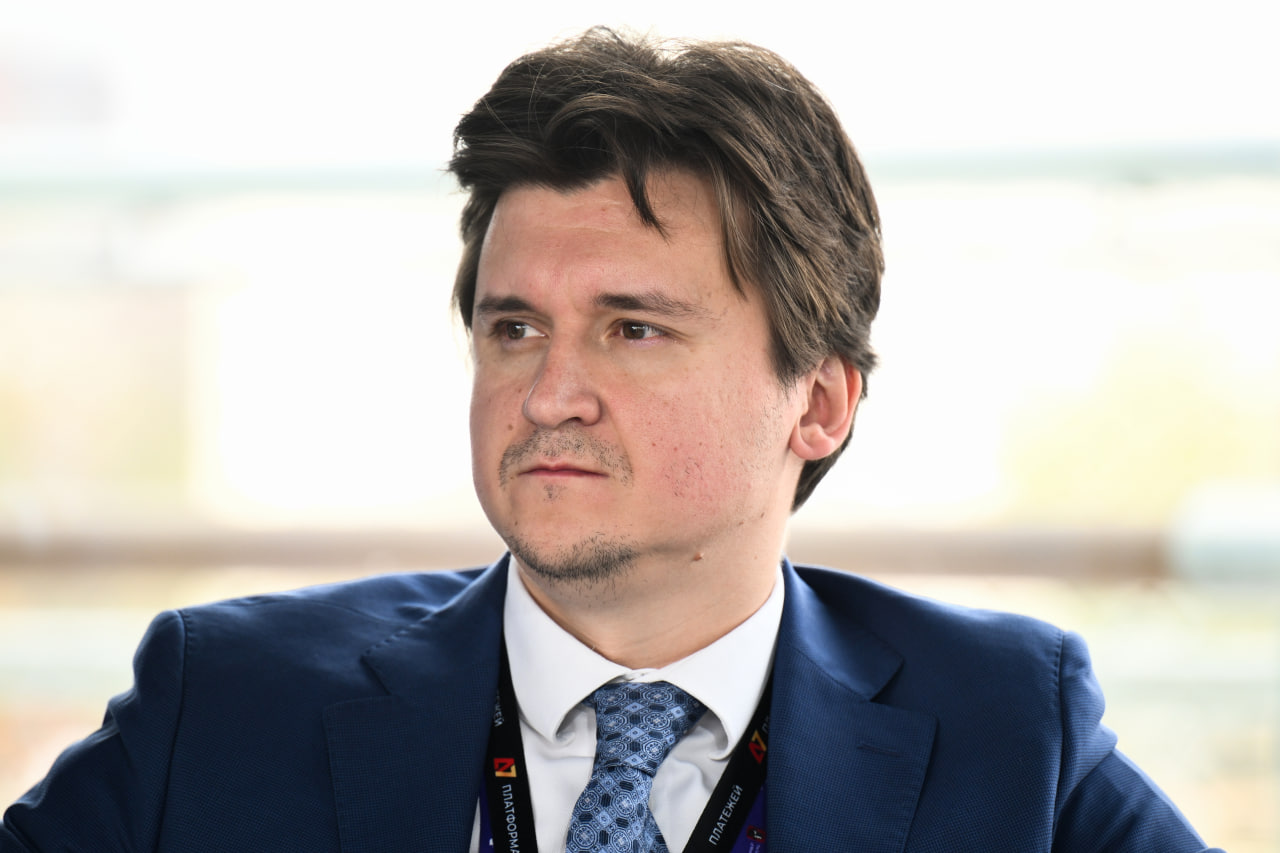
Russia has significantly diversified the currencies used in its foreign trade in recent years, with approximately 85 percent of international trade settlements conducted in rubles and the currencies of friendly countries by the end of 2025, A7 Vice President Mikhail Tolkunov said during the panel discussion, The Digital Architecture of the Future: Co-Designing Technological Sovereignty for Russia and Africa at the 2nd Global Digital Forum.
According to Tolkunov, international payments have become far more complex for businesses. Once a contract is signed, arranging payment is no longer a routine matter that can simply be left to a bank.
“Today, businesses must consider the country involved, the counterparty, the currency, available financial instruments, documentation requirements, and the payment route itself. In other words, arranging settlements has become an integral part of structuring a foreign trade transaction. International trade needs infrastructure that can accommodate different countries, currencies, and payment routes without forcing businesses to overhaul their entire settlement process whenever external conditions change,” Mikhail Tolkunov emphasized.
The expert believes the next stage in the development of international settlements will involve automating financial logistics, including document processing, transaction analysis, payment route optimization, and currency management. He also expects artificial intelligence to play an increasingly important role in processing large volumes of information more quickly and supporting decision-making on individual transactions.
“This is where the connection to digital sovereignty becomes especially evident. For an economy, sovereignty does not mean cutting itself off from the outside world. It means being able to maintain international ties on its own terms and having multiple viable options for cooperation. Digital sovereignty encompasses technologies, data, software, and digital platforms. But this entire system only gains real economic value when it enables businesses to operate – to produce, buy, sell, invest, and make payments to their partners,” the A7 Vice President concluded.