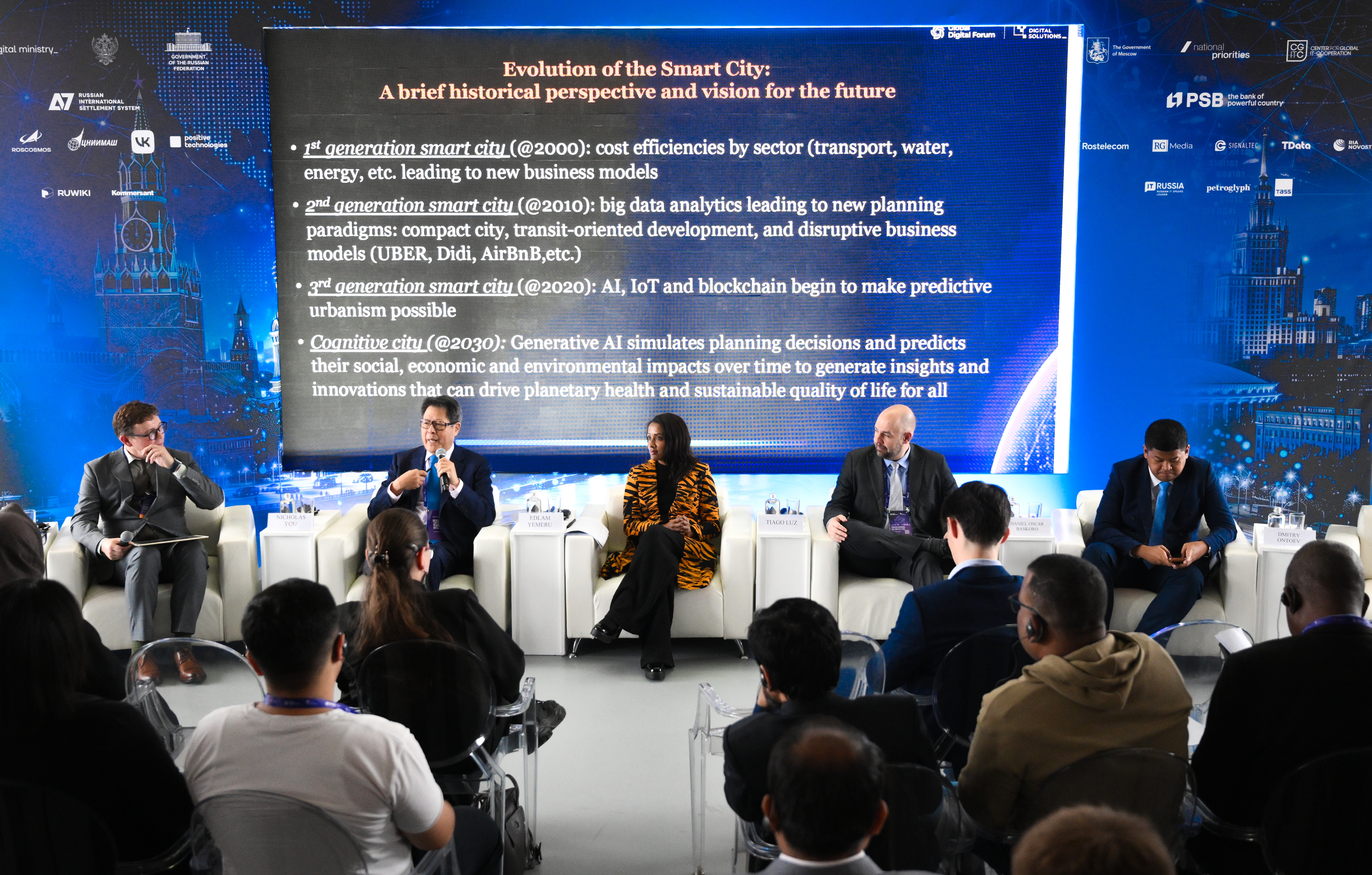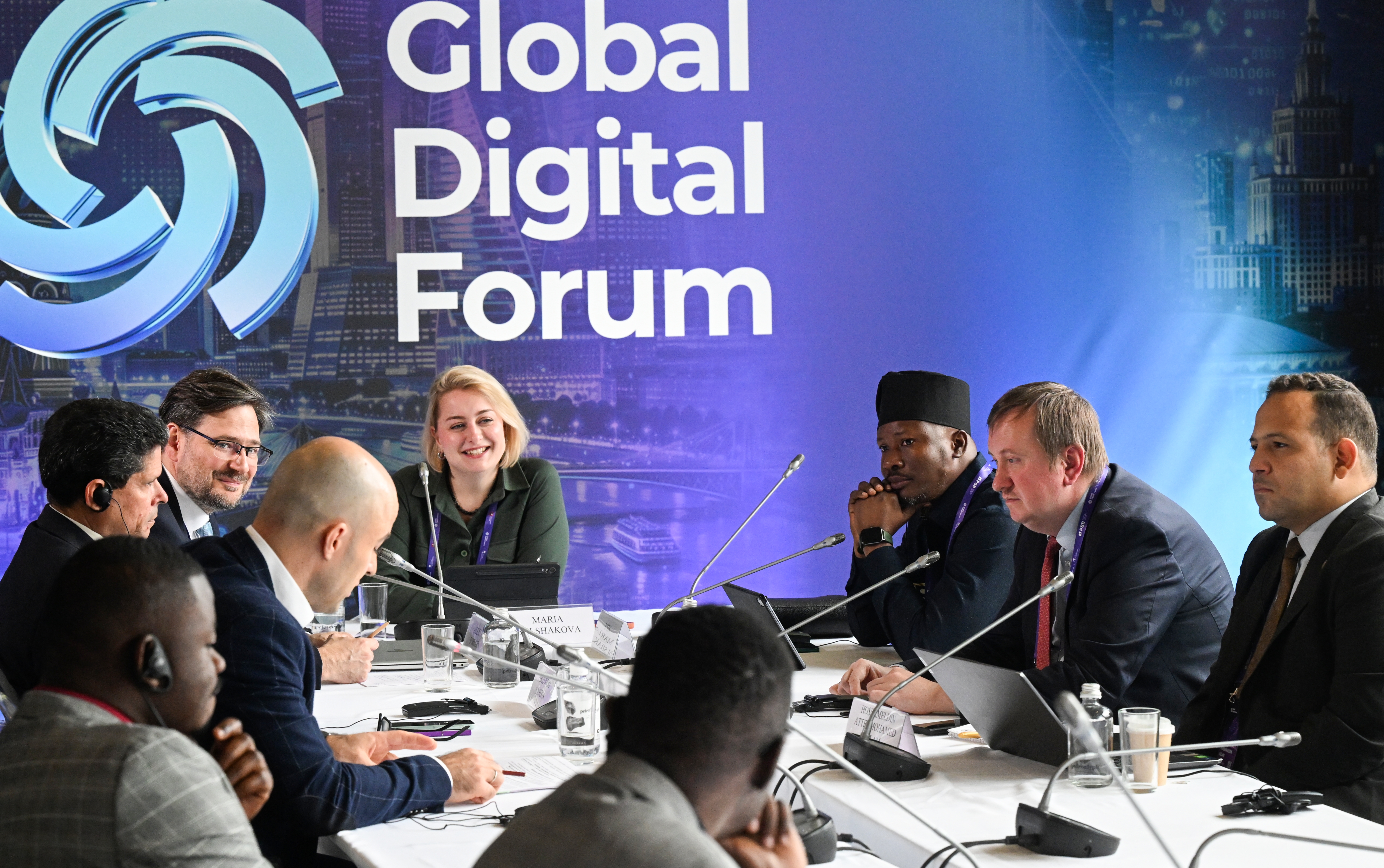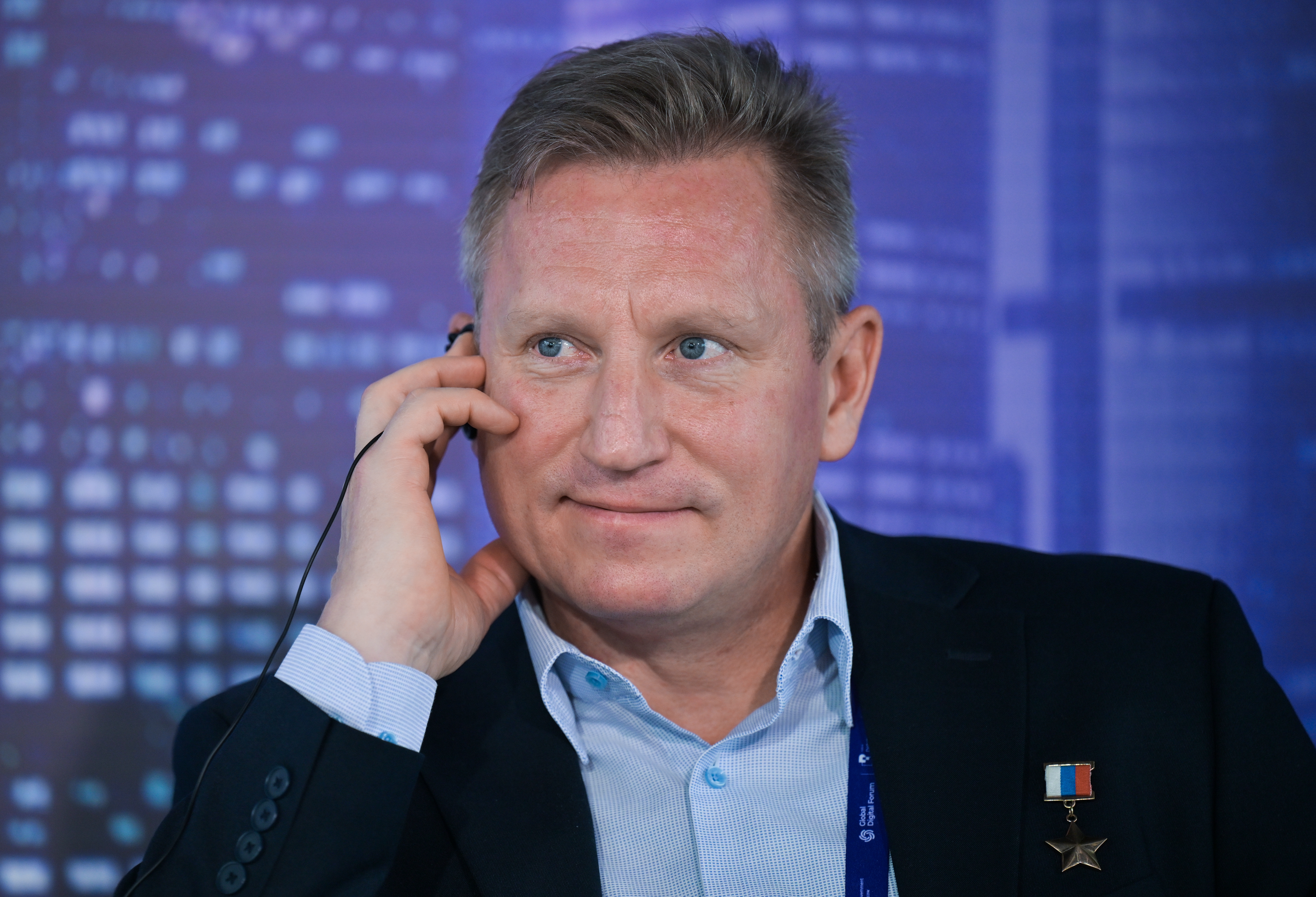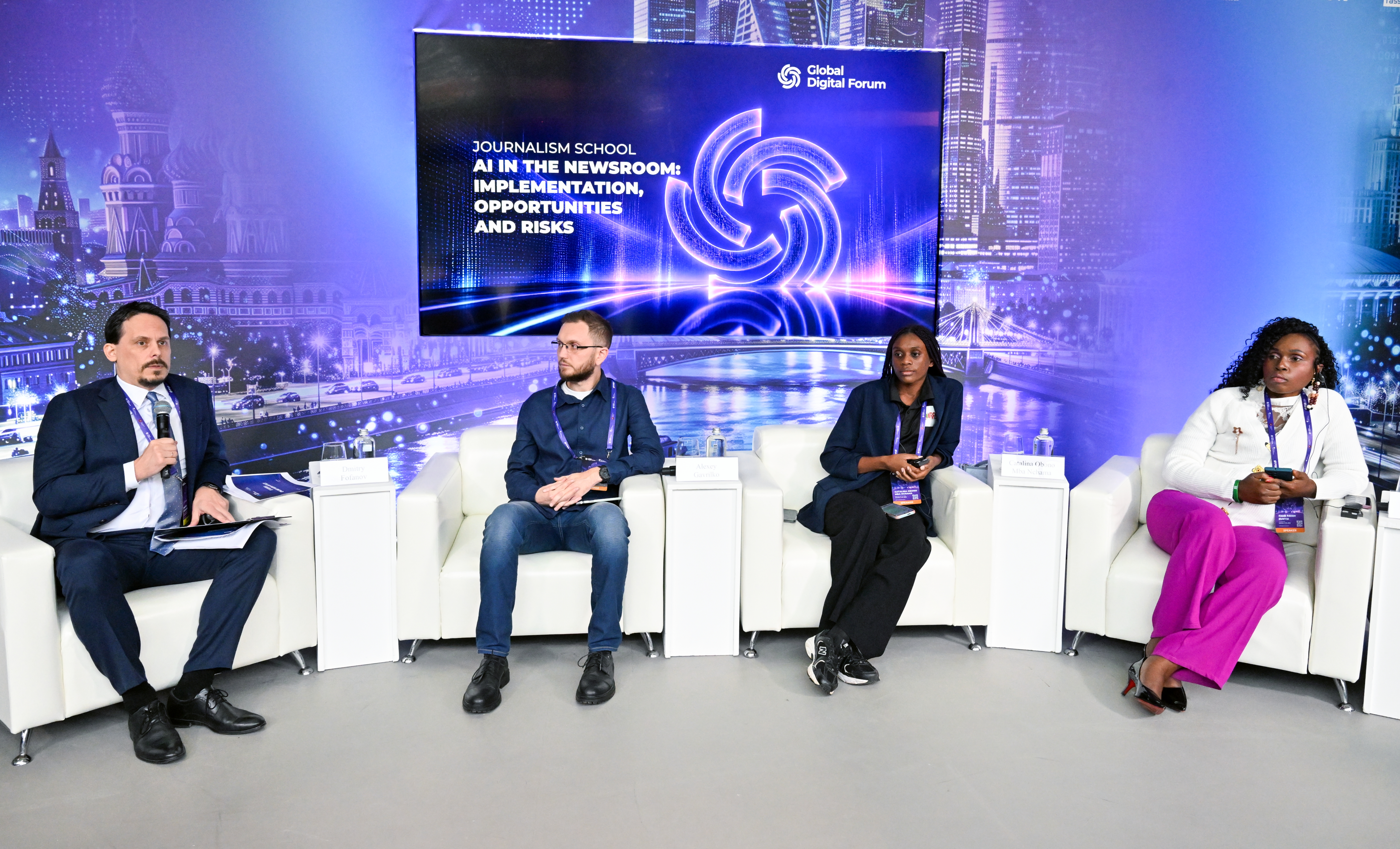


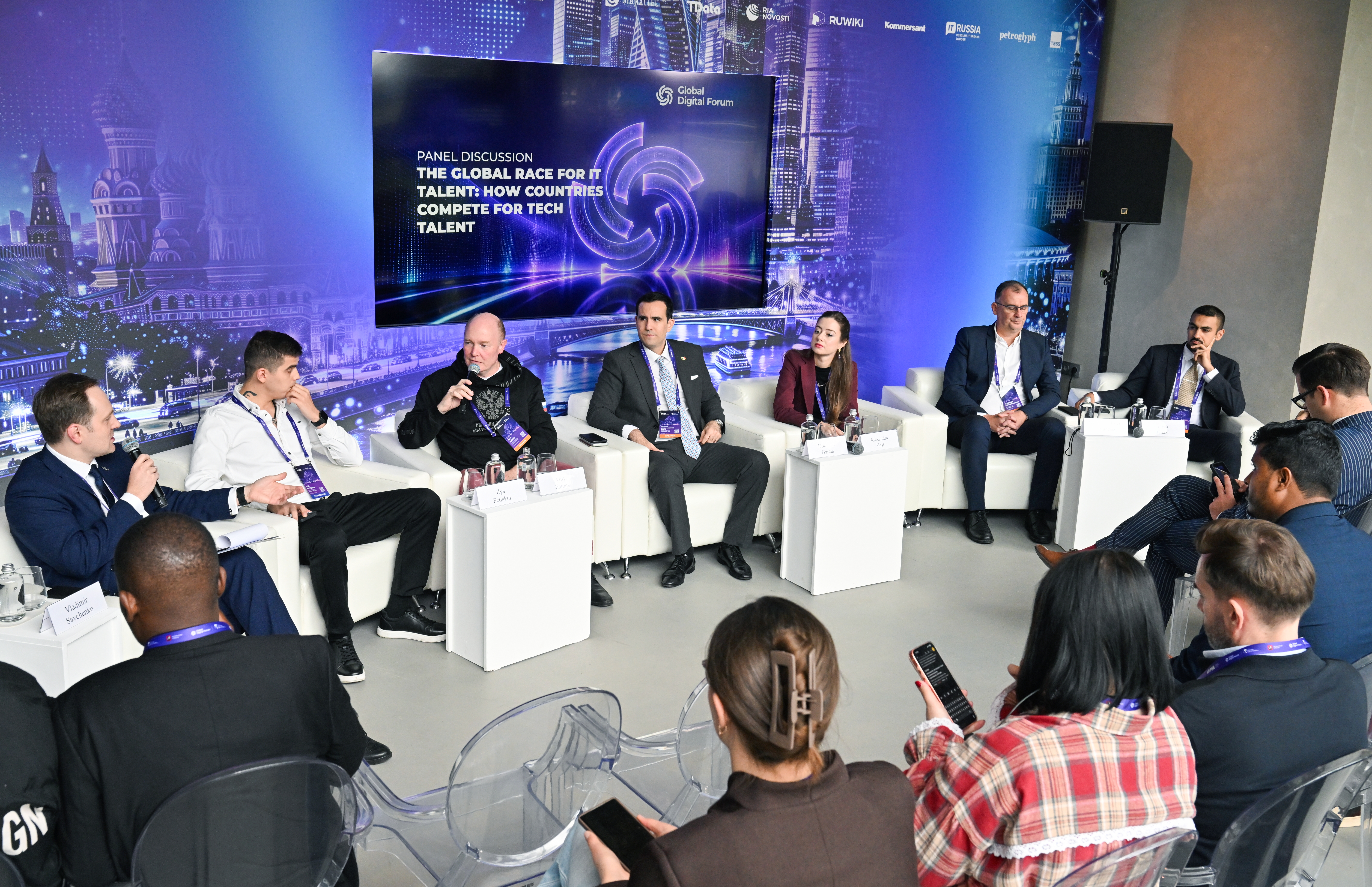
At the panel discussion How Countries Compete for Tech Talent, experts from Russia, the United Kingdom, the United States, Mexico, Egypt, and France discussed foreign specialists’ adaptation and the role of soft power.
Head of the Start in Moscow project (Russia) Ilya Fetiskin, Human Capital Development Autonomous Non-Profit Organization under the Moscow Government, said that competition for human capital now extends beyond the traditional labor market.
“It is necessary not only to attract and help people adapt, but also to retain them and integrate them into Russian society and the economy. The impatriation program is probably one way to establish career paths for foreign nationals in Russia and define what each region needs to do to support them,” he said.
According to Fetiskin, Moscow is one of nine pilot regions implementing the impatriation standard.
“I can say that Moscow has taken a leading position in this area by creating a comprehensive ecosystem to help foreign specialists adapt. A wide range of services is available to help them find jobs at high-tech companies,” he said.
One of the main tasks now, he added, is to complete the development of this ecosystem.
“First and foremost, we need to gather feedback from people who come here, share the traditional spiritual and moral values of the Russian Federation, and want to build their lives and careers not only in Moscow but also in other Russian regions. This is a shared task," he said.
Founder of ATSAL, Ruspatriation and TIME TO RUSSIA, Co-Founder of NGO Welcome to Russia (France) Alexander Tziko-Stefanesko spoke about the importance of two mechanisms for attracting foreign nationals to Russia: the presidential executive order “On Providing Humanitarian Support to Individuals Sharing Traditional Russian Spiritual and Moral Values” and the executive order “On Supporting the Resettlement of Qualified Foreign Citizens and Stateless Persons, who Represent Interests for the Russian Federation.”
However, Tziko-Stefanesko noted that many foreigners were unaware of these support measures because, he said, the West is waging an information war against Russia.
“Russia has a lot to show the world, but it is modest. I believe it should be less modest,” he said.
Guy Eames, Chairman of the Russian Green Building Council (RuGBC), who is based in the United Kingdom, moved permanently to Russia with his wife four years ago after selling their house in England. He said that when deciding where to live, he compared factors such as transportation, access to healthcare, and safety.
“Living in Moscow and in Russia is extremely comfortable. The problem is that people in other countries don’t know this,” he said.
A blogger and host of the travel program Sasha Meets Russia, RT Doc (USA) Alexandra Yost is sure that Russia’s soft power lies in its culture, music, and films. Many foreigners decide to move to Russia based on what they learn about the country through these channels.
“This is precisely Russia’s soft power. What Western countries fear most is happening: people are falling in love with Russia. Foreigners realize that people here are kind and hospitable,” she said.
Yost, an American of Russian descent, said her videos about Russia had become popular with foreign audiences and that some families have moved to Russia after watching her reels.
“I was recently added to the EU sanctions list. I’m not a war correspondent, but this subject has turned out to be very dangerous for the West,” she added.
Yost called for greater efforts to promote Russia’s image: “There are so many beautiful places, a rich history, and interesting people here. We need to show them to the world. We need to nurture this sense of pride by promoting our regions, culture, and traditions. Even many Russians don’t realize what a remarkable country they live in.”
Director of Business Development in LATAM Region, R-Pharm (Mexico) Garcia Domingo said that Russia needs to showcase its strengths and develop international trade.
“I work in pharmaceutical business development, and I was amazed that Russia was the first to develop a COVID-19 vaccine. Of course, there were vaccines from the United States, but Russia was first. And in some countries, your vaccines were more affordable than those from other countries,” he said.
Yossr Ghazi, Deputy Director General of the Wellness Tourism Agency (Egypt), came to Russia to study 11 years ago and stayed. In his view, education in Russia offers good value for money. He also noted that, since 2023, international students have been able to obtain a temporary residence permit for educational purposes and then apply for a residence permit within three years of graduation.
“Students develop as individuals in Russia, become part of society, make friends, and discover the opportunities available to them while they are still studying,” he said.