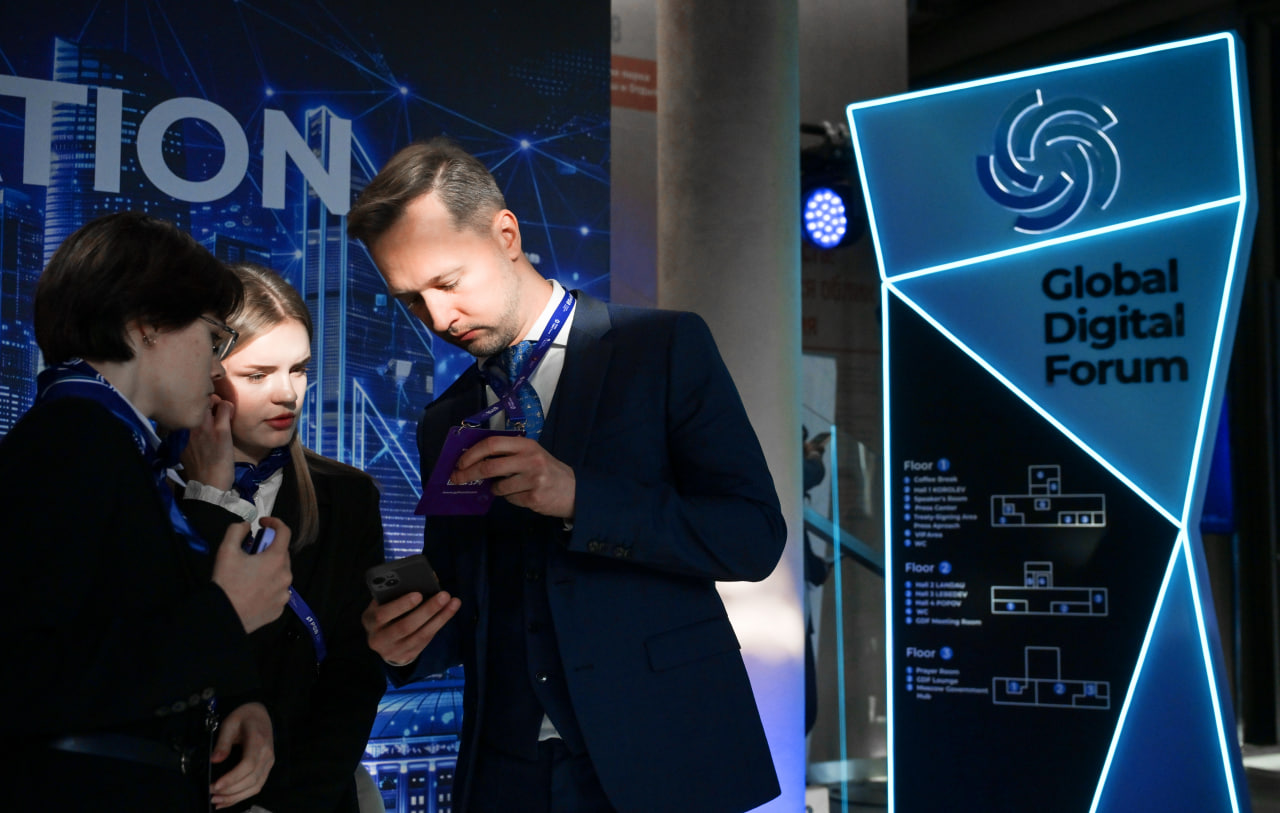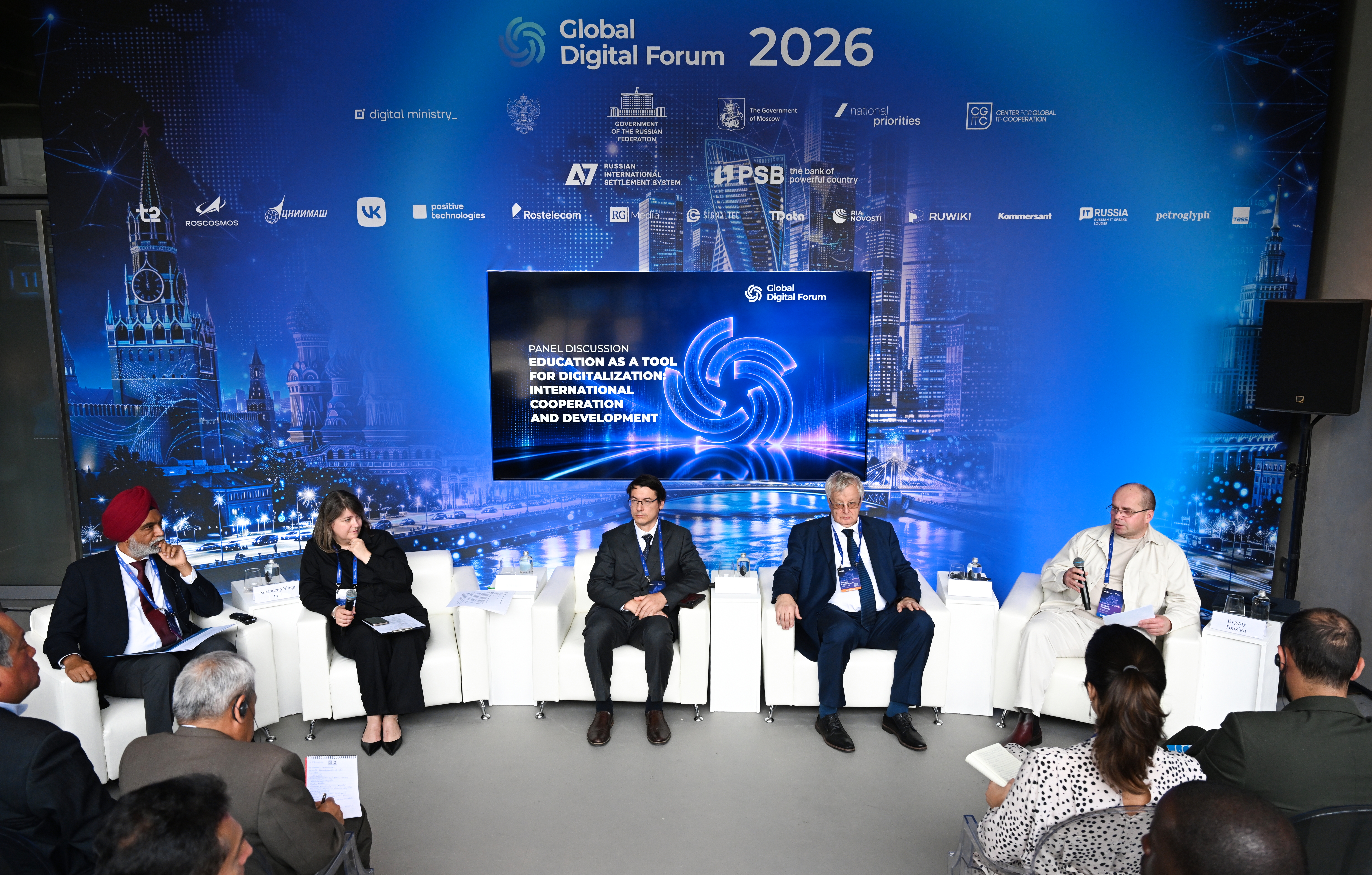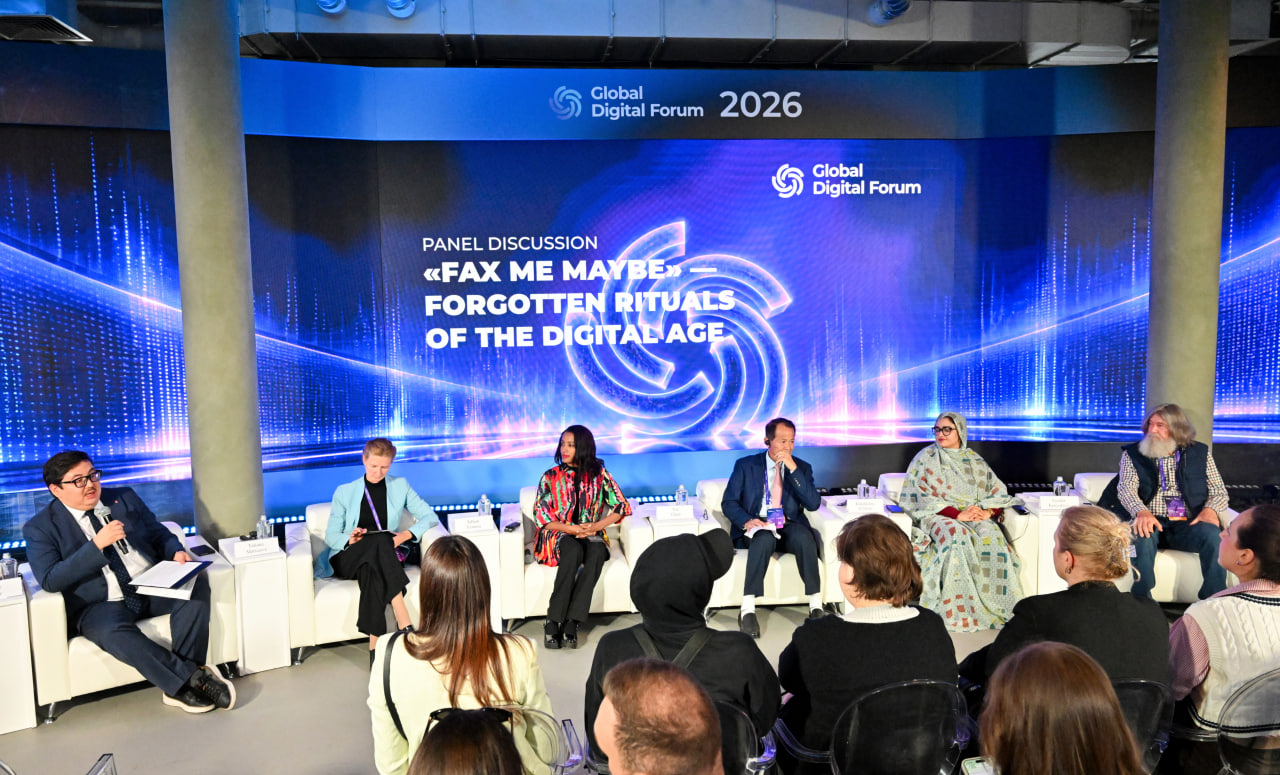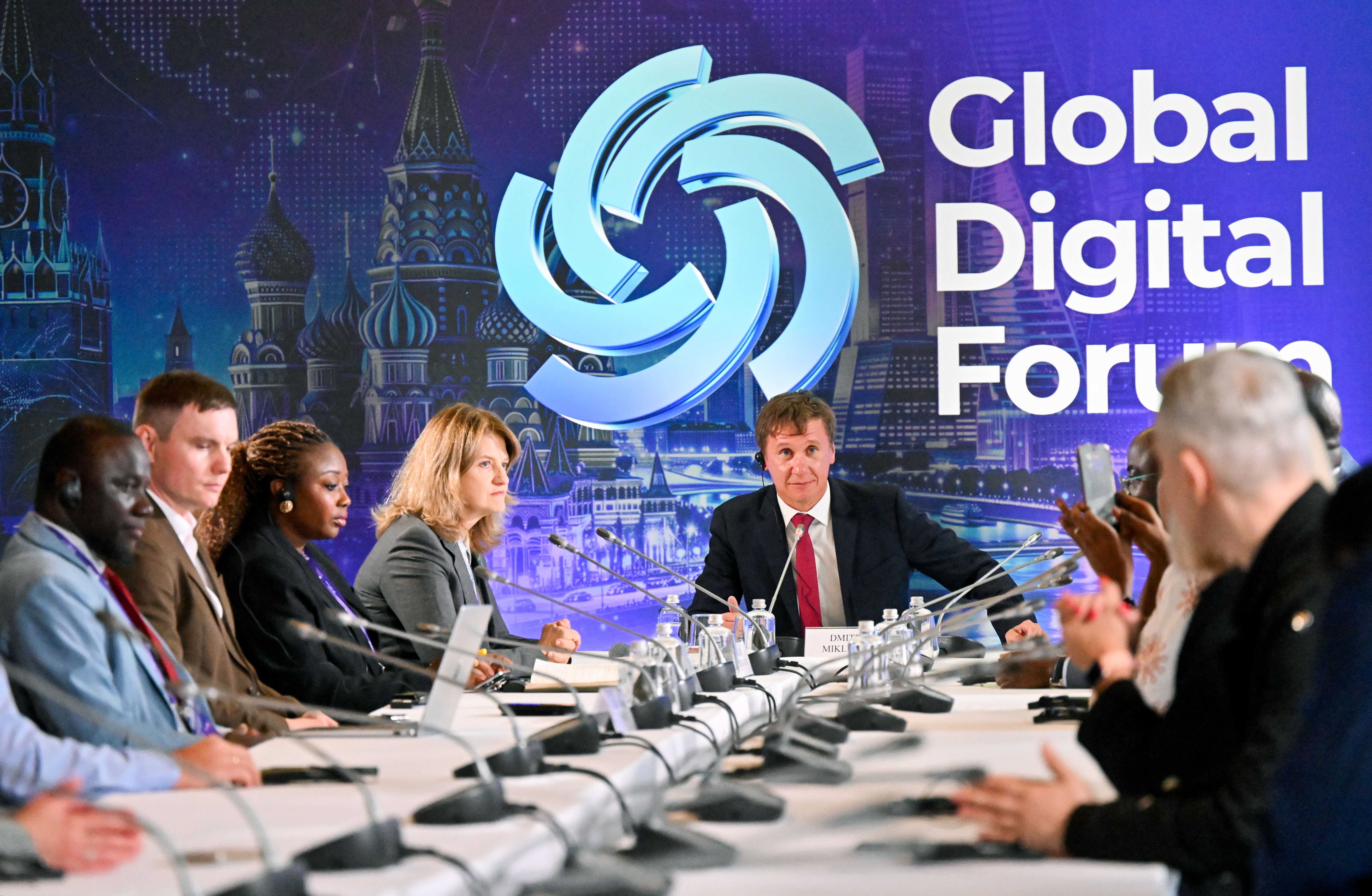


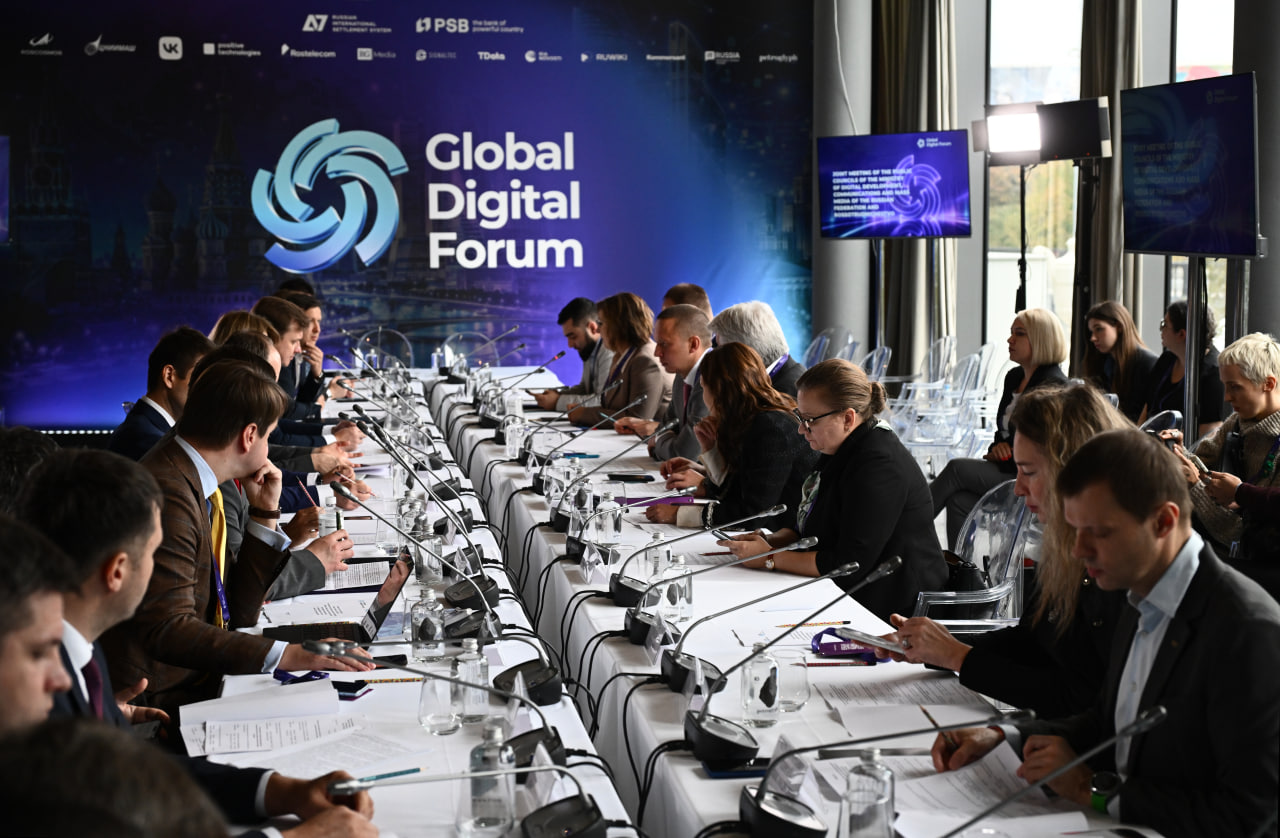
Russian Houses abroad could become platforms offering access to Russian government services online and digital assistants. The proposal was presented by Andrey Tsyper, Chairman of the Public Council under the Federal Agency for the Commonwealth of Independent States, Compatriots Living Abroad, and International Cultural Cooperation (Rossotrudnichestvo) and CEO of Rambler Group, during a joint meeting of the public councils of Rossotrudnichestvo and the Russian Ministry of Digital Development, Communications and Mass Media, held as part of the 2nd Global Digital Forum.
“In addition to libraries, educational programs, cultural events, and Russian language classes, we could introduce dedicated service areas, digital assistants, access to online government services, digital learning opportunities, and a wide range of other technological solutions,” Andrey Tsyper said.
According to Andrey Tsyper, Russian digital services could become a new way to engage with compatriots living abroad and foreign nationals interested in building ties with Russia.
“This could fundamentally transform the role of Russian Houses. Today, most of their visitors are compatriots living abroad. But these services could also be made available to citizens of other countries who are interested in connecting with Russia, or to explore business opportunities, for example,” Andrey Tsyper explained.
The expert noted that the official Russian House network currently comprises 87 representative offices in 71 countries. A separate network of partner Russian Houses is also expanding, with approximately 36 centers operating in 28 countries. In September, an agreement was signed to open another 11 partner centers: eight in Africa, two in Armenia, and one in Thailand.
The meeting also featured the findings of a poll conducted by the Internet Development Institute, which explored perceptions of Russia among foreign employees working at Rossotrudnichestvo’s foreign offices.
The survey, which included 104 respondents from 83 representative offices, found that 30 percent associated Russia with snow, winter, and freezing temperatures, particularly respondents in Asian countries. Another 29 percent associated Russia with President Vladimir Putin, a response most frequently recorded in African countries.
Russian classical literature ranked third, mentioned by 23 percent of respondents. Alexander Pushkin, Fyodor Dostoevsky, and Leo Tolstoy were the most frequently cited authors. Another 20 percent associated Russia with high-quality higher education and strong academic traditions, particularly in medicine, physics, engineering, and information technology.
The Soviet legacy, including Vladimir Lenin, Joseph Stalin, and major events in Soviet history, was mentioned by 19 percent of respondents. According to the survey, this association was particularly common in African countries, where it was often linked to the Soviet Union’s support for independence movements.