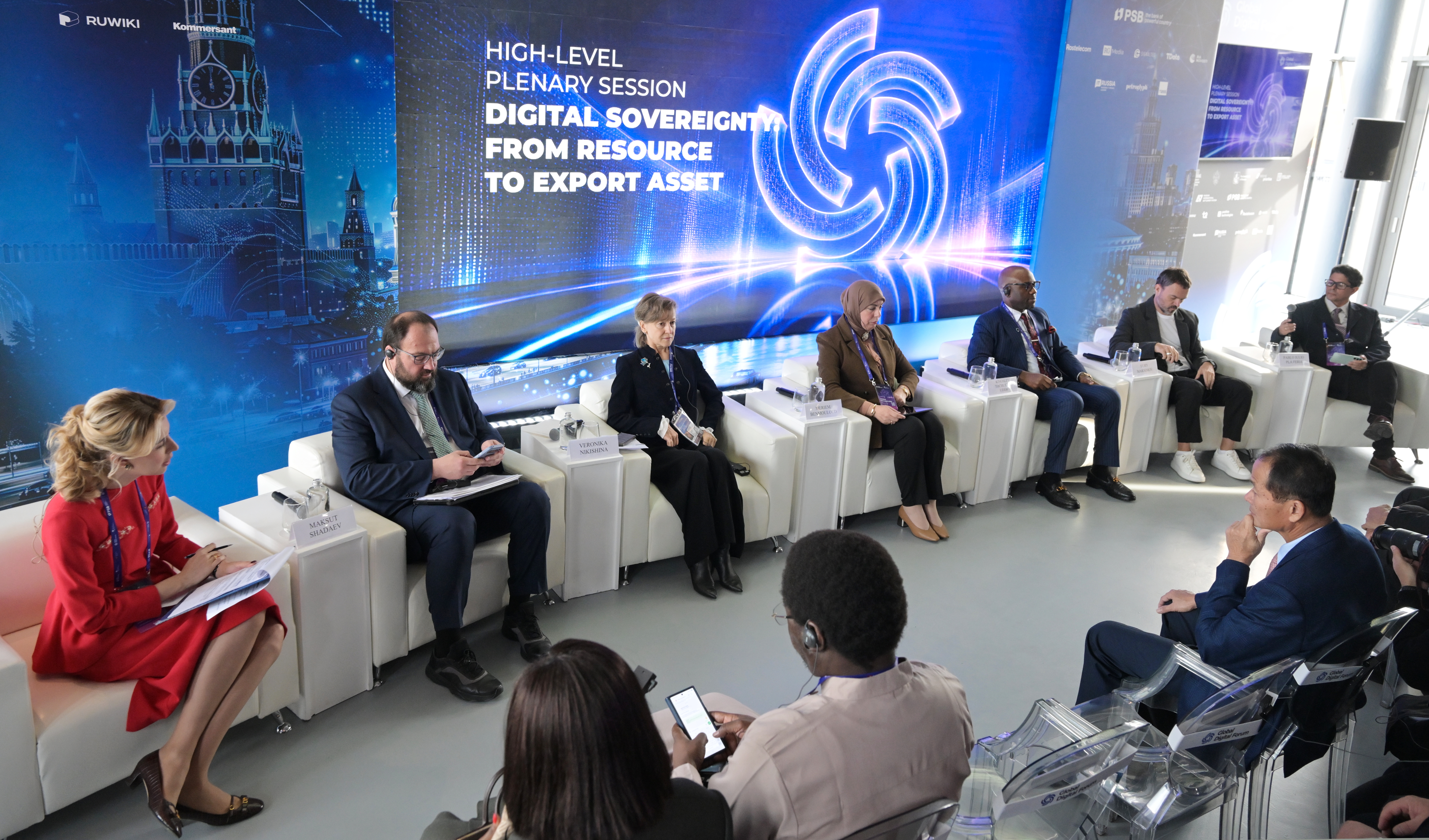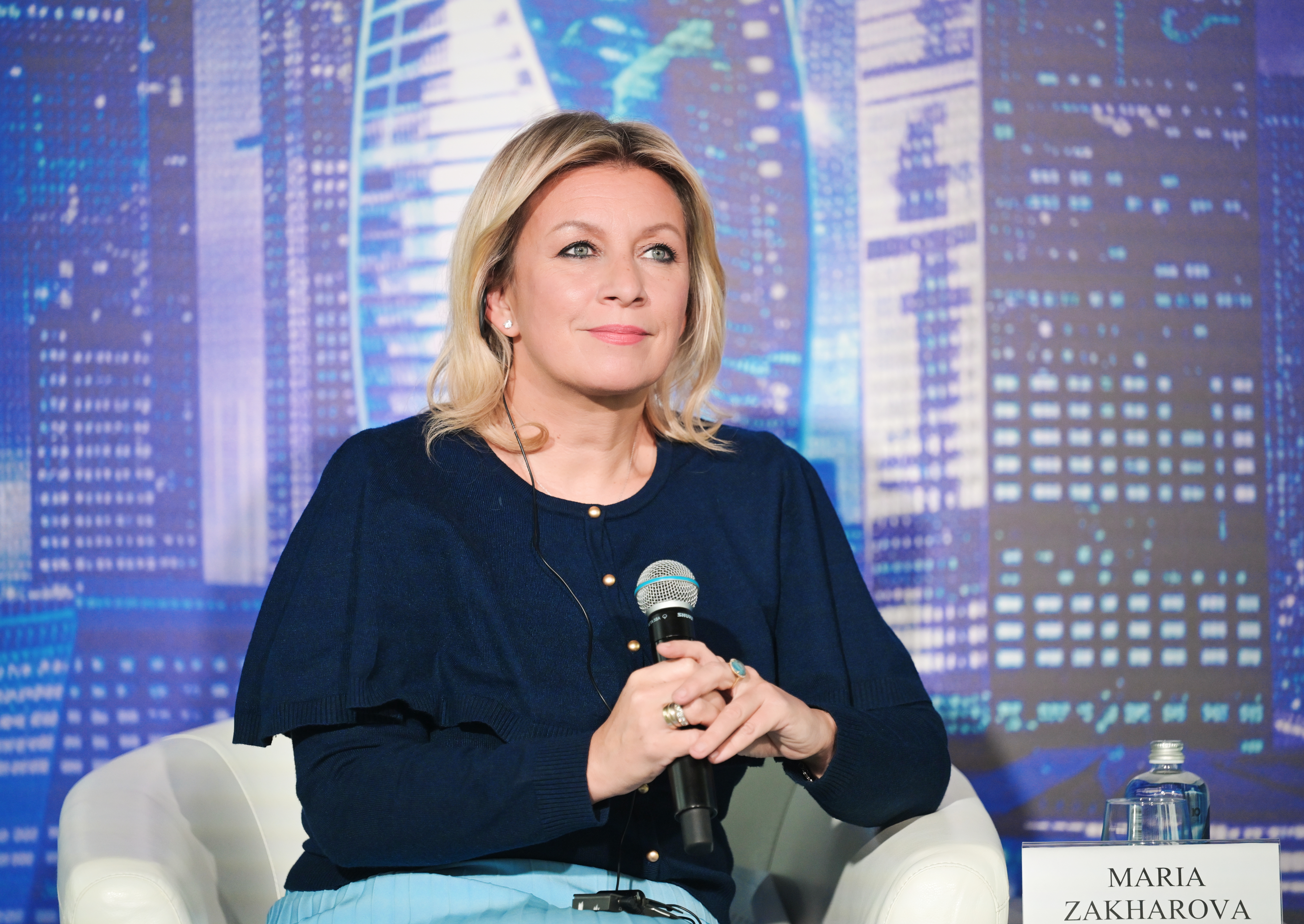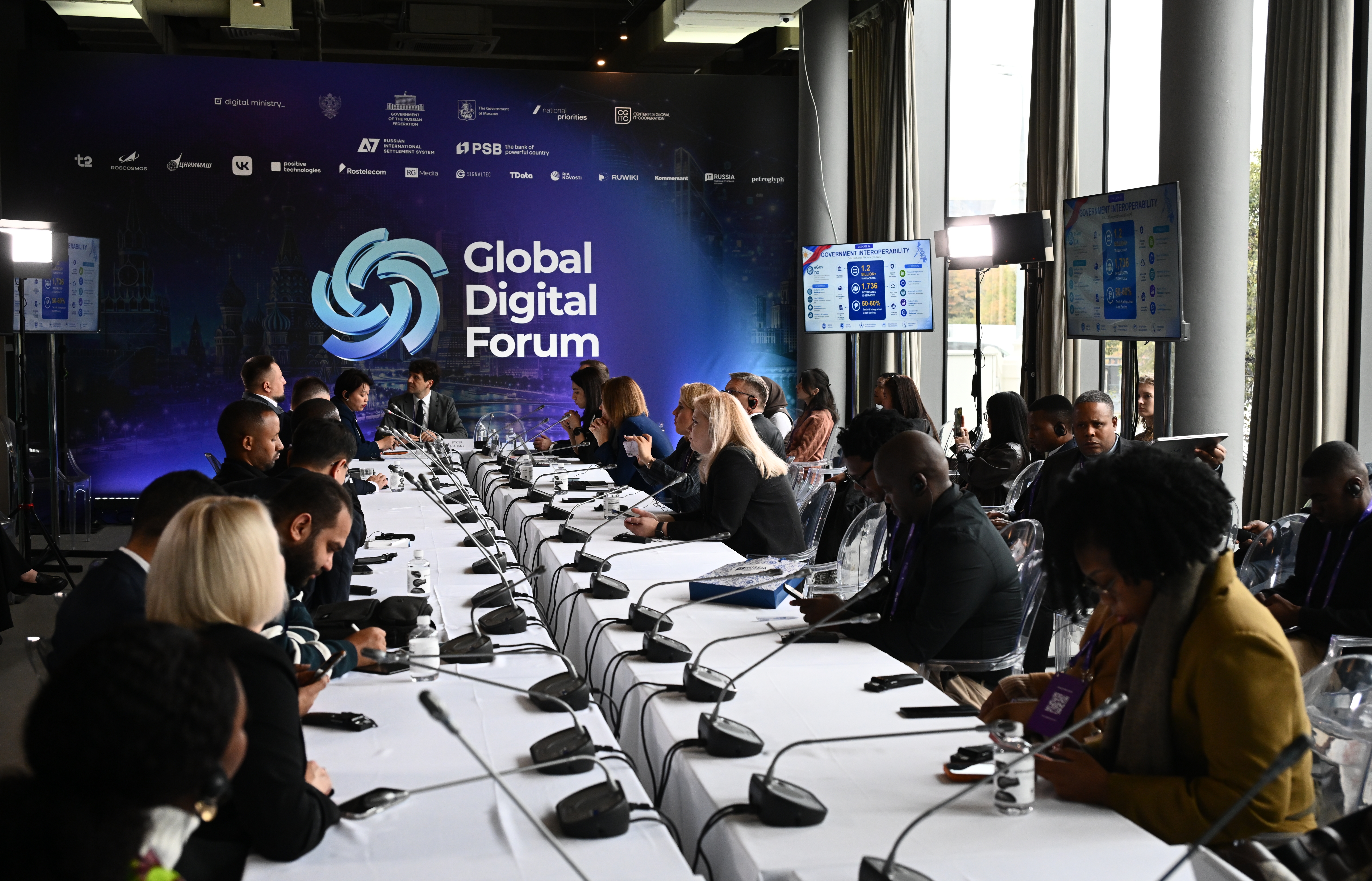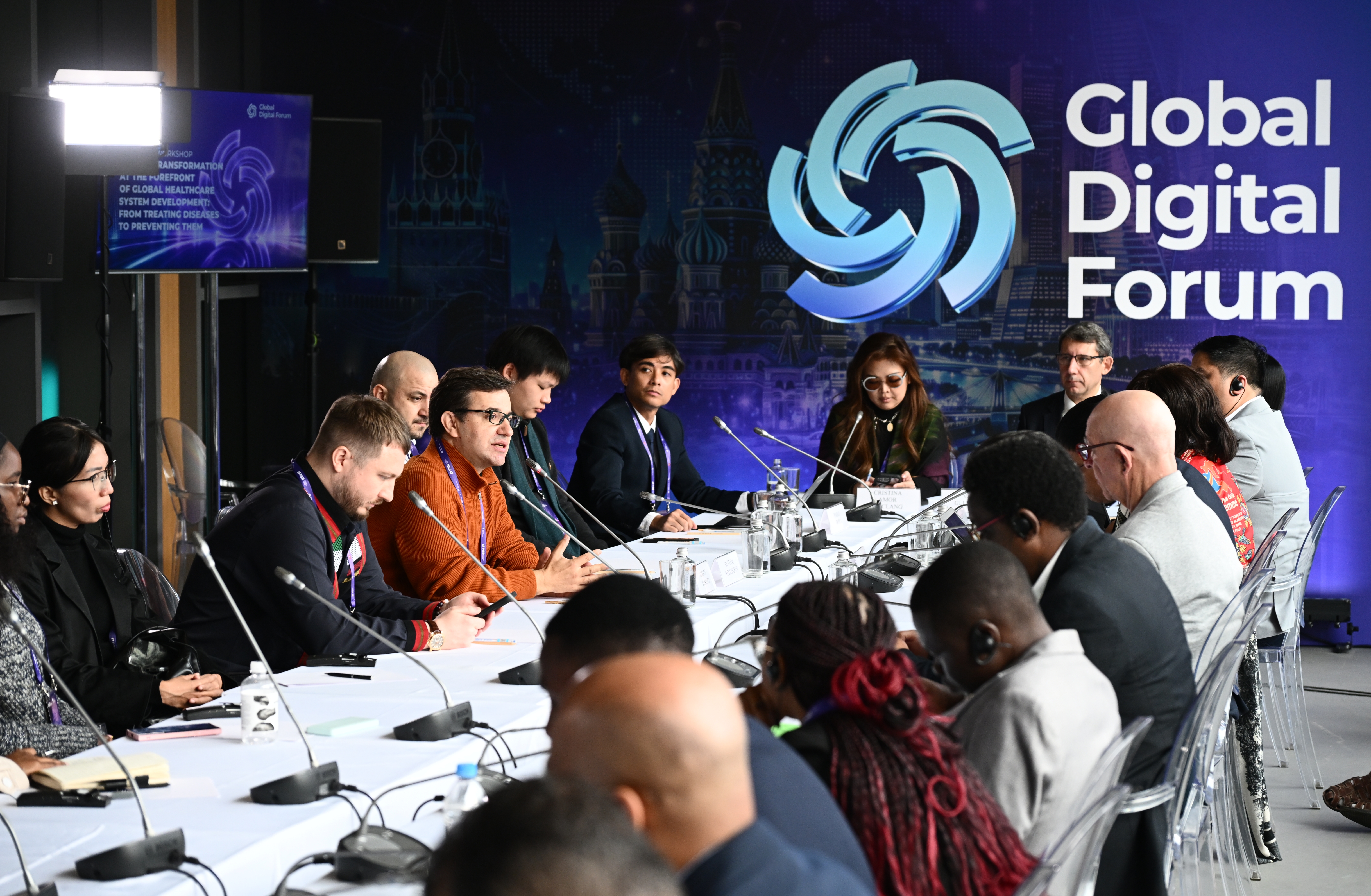


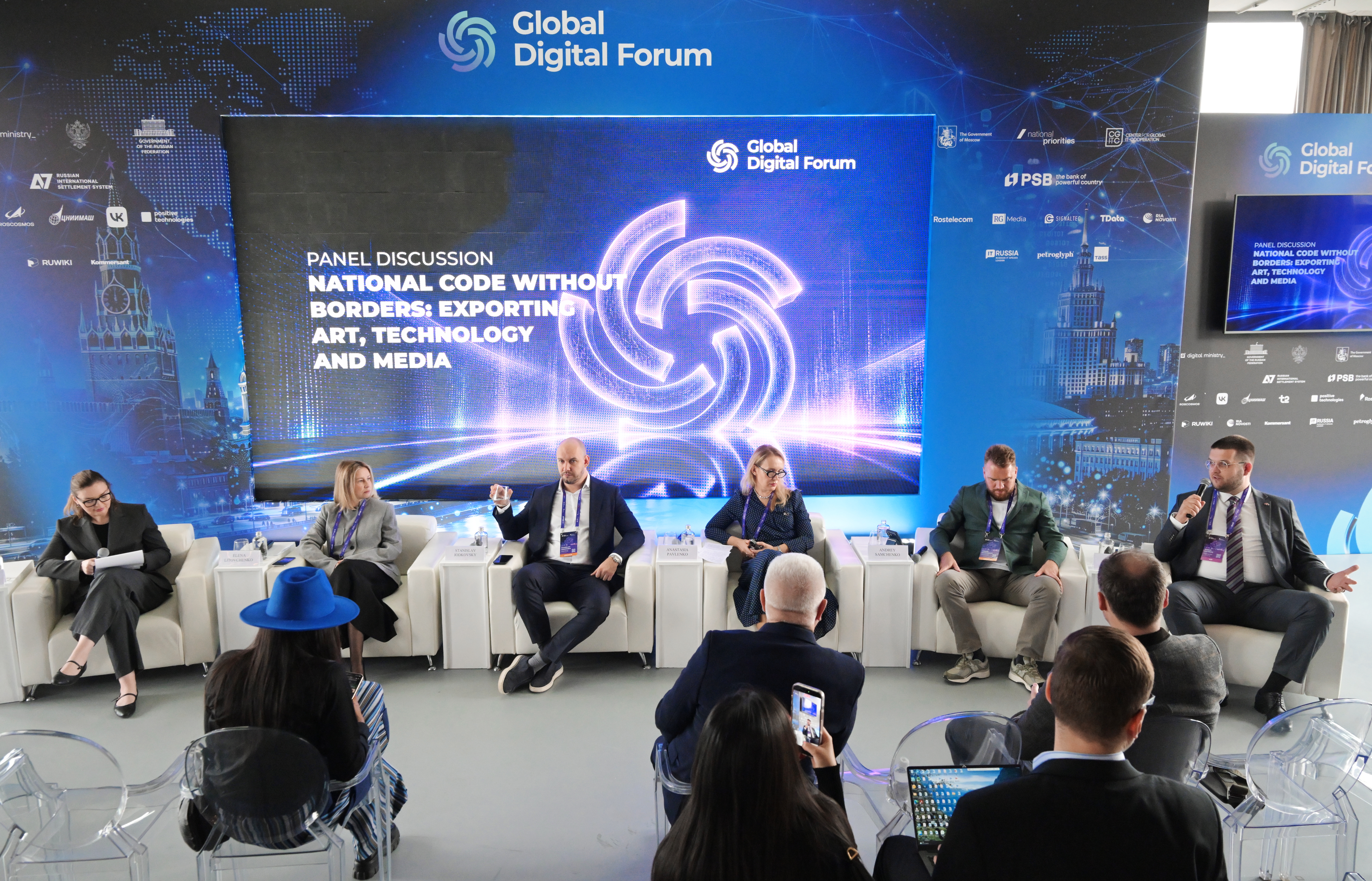
Russian IT companies can offer their foreign partners solutions for the preservation of technological sovereignty and cultural legacy, according to participants in the panel discussion, National Code Without Borders: Exporting Art, Technology And Media.
Director of International Strategic Projects at Positive Technologies Andrey Samchenko noted that Russia has built a strong cybersecurity industry that is globally recognized and competitive due to the high level of training, advanced engineering practices, and ability to find non-conventional solutions.
Elena Litovchenko, Deputy General Director of Ruwiki Internet Encyclopedia, spoke about the development of expert IT products for national encyclopedias. With this technology, countries can preserve their history, culture and language identity on the internet. The market launch of the project is expected in 2027.
“This is not just a website but a full-fledged digital ark based on scalable modern architecture. If a language corpus is short of texts, our team is ready to organize the translation of our giant database into widely used languages, adjust content generation and validation tools – and, most importantly, to ensure the content complies with local legislation,” she added.
Perko Matovic, State Secretary of the Ministry of Information and Telecommunications of the Republic of Serbia, stressed that the Serbian market is open to foreign IT companies and their products if they are ready for competition. He further noted that foreign IT companies should consider the specifics of national digital systems and maintain the connection with the global environment.
“I think in the coming years, it will become necessary to build something similar to foreign enclaves within national servers. This international environment will have enclaves that are not excluded from the global project but comply with national specifics,” he said.
Bank PSB supported the panel discussion as a strategic partner of the 2nd Global Digital Forum. PSB Senior Vice President and Director for External Relations Vera Podguzova moderated the session.