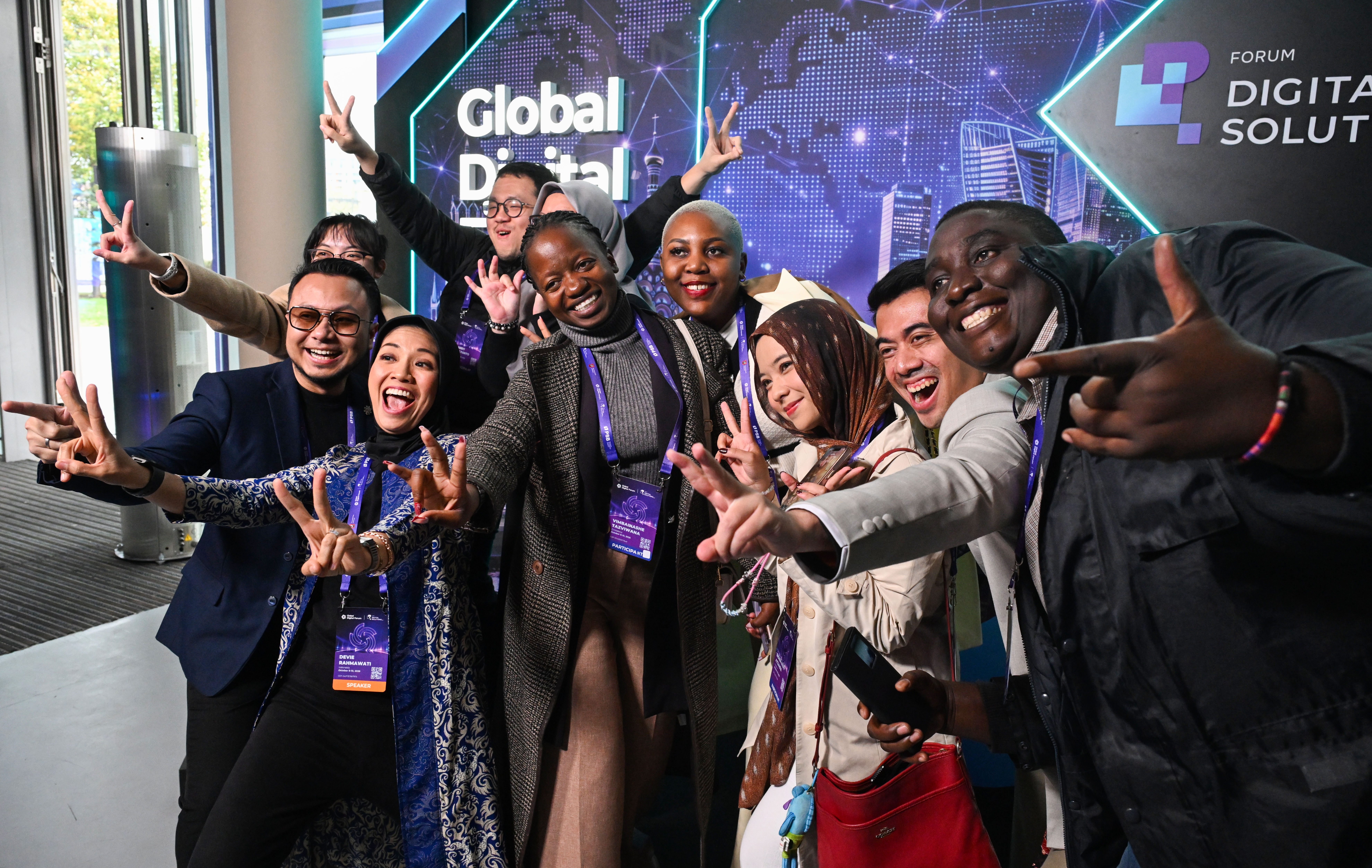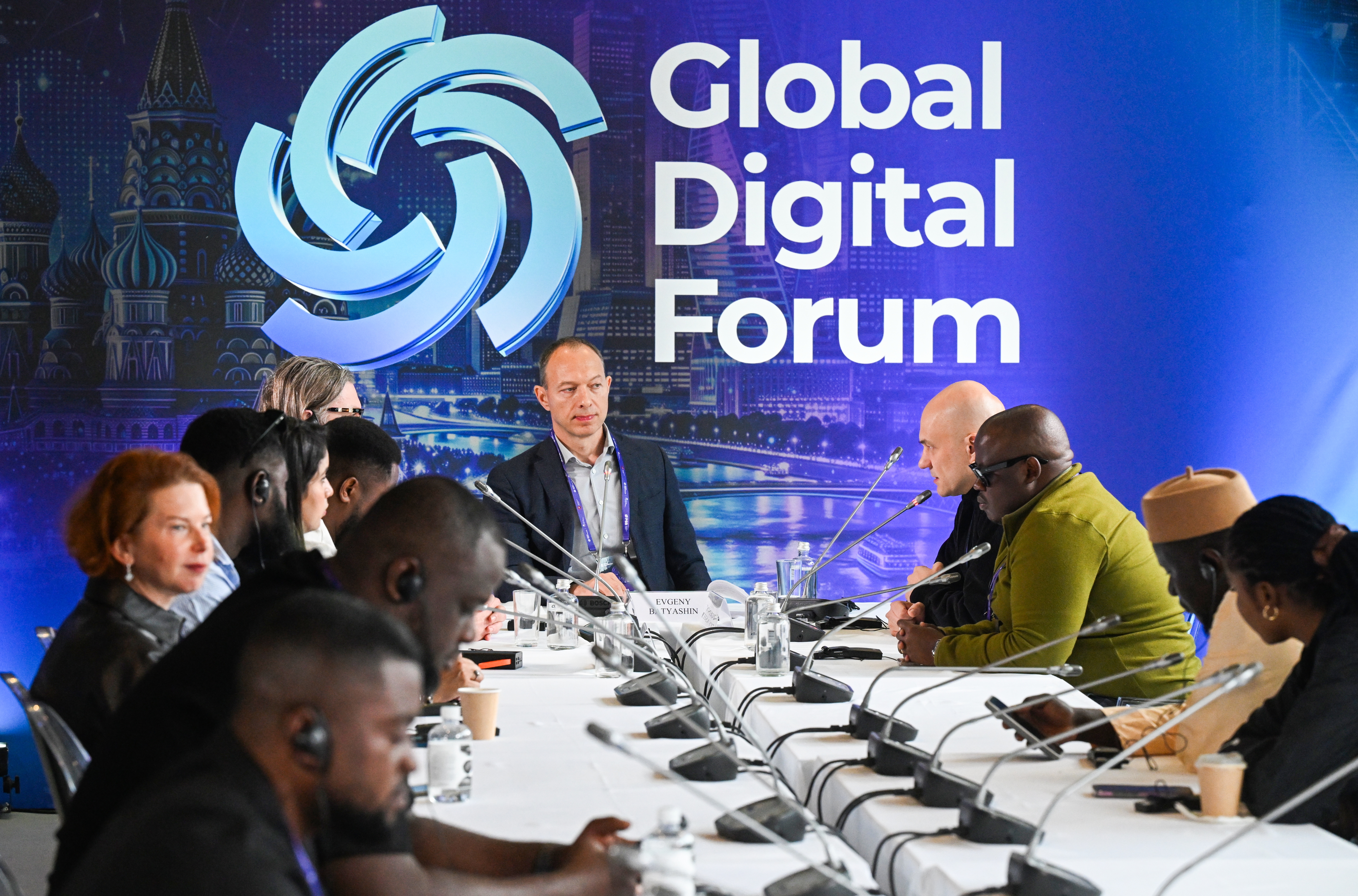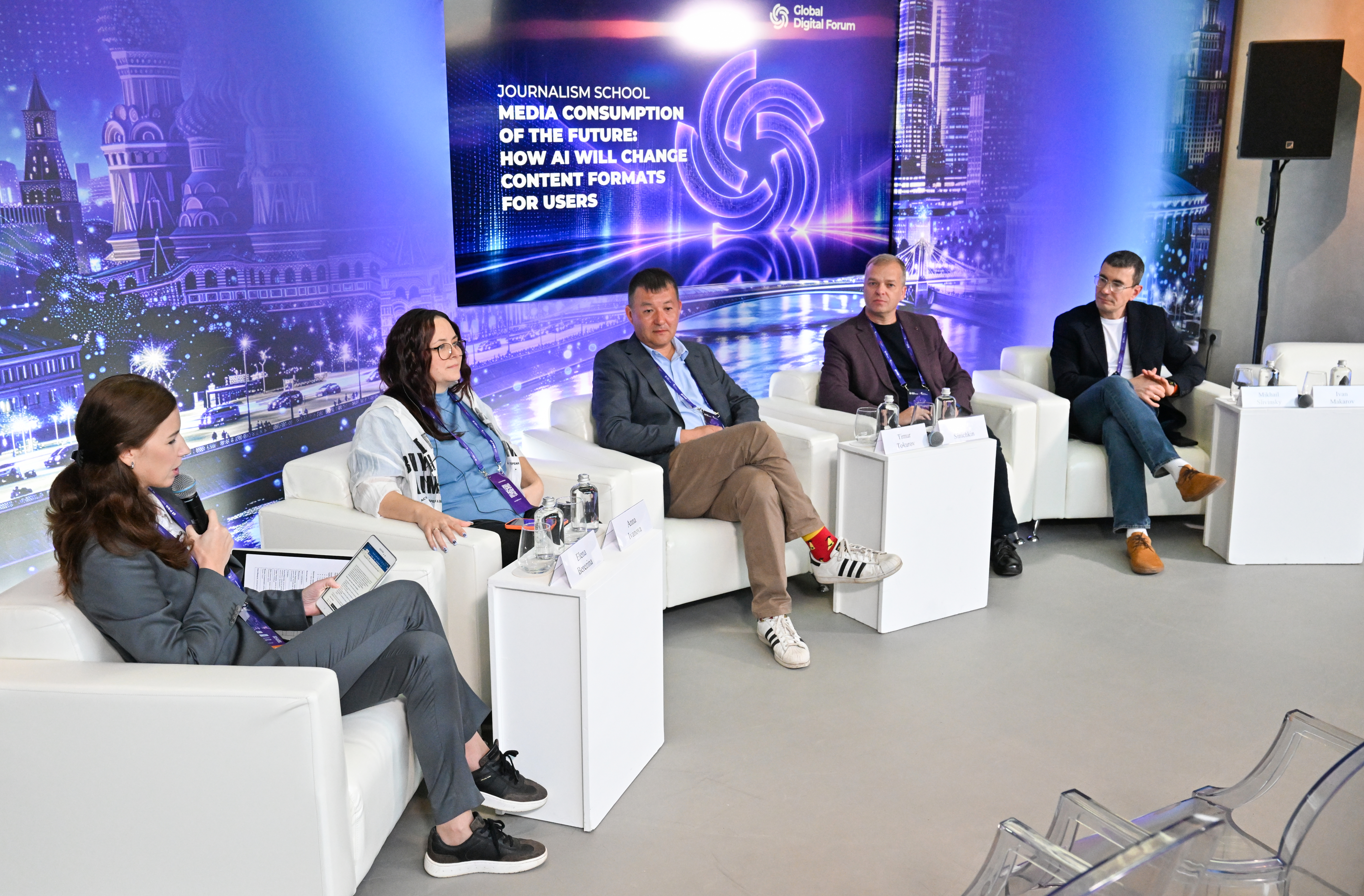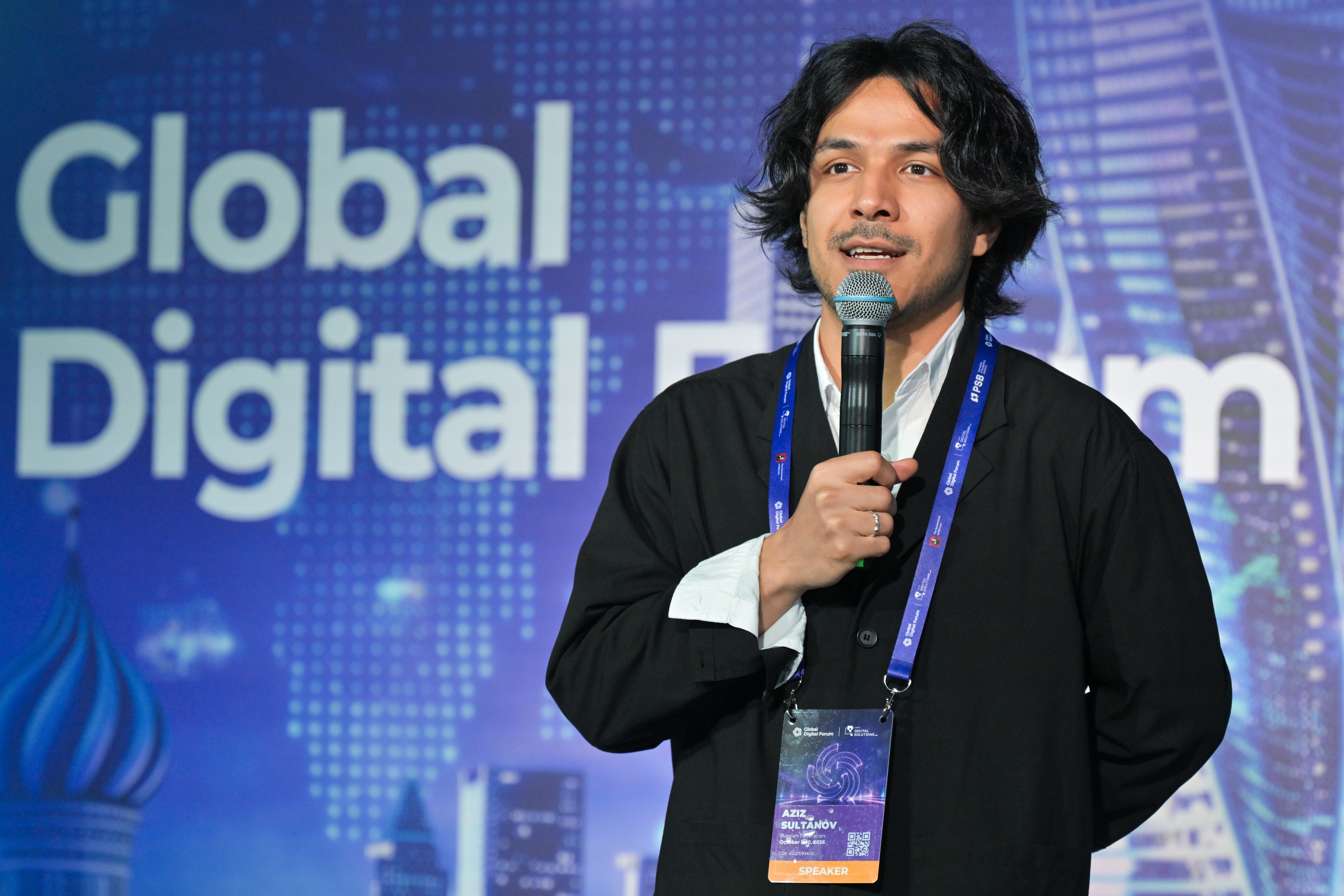


Moscow is among the world’s fastest-moving megacities on digital adoption. The city government runs over 300 digital projects a year and vigorously pursues international cooperation on digital transformation. Over the past three years, delegations from dozens of countries including China, Brazil, India, the United Arab Emirates, and Malaysia have come to study Moscow’s practices.
The quality of the capital’s digital solutions – regularly praised by domestic and international experts alike – rests on decades of systematic work, a transformed management system, and a new approach to technology. Moscow has traveled a long road, from early online services to large-scale ecosystems spanning entire industries. Today, the city helps shape the global digital agenda and shares its expertise with international partners and Russian regions alike. These practices support smart-city development across the country – from the Kaliningrad Region to the Far East, and some tools have become the foundation for federal-level solutions.
Among the capital’s solutions drawing the most international interest is the Digital Twin of Moscow, a city management platform based on a high-precision 3D model of the city, which integrates spatial and industry-specific data, making it possible to analyze the existing urban environment, place future development projects within it, and assess decisions and their consequences.
Another major solution is the mos.ru portal, the heart of Moscow’s digital ecosystem. It offers access to more than 460 services, letting residents book doctor’s appointments, enroll children in first grade, or pay bills whenever they like. By number of digital services, the portal ranks among the best not only in Russia but worldwide.
The MosTech ecosystem and its developer platform, Mos.Hub, are regularly showcased at international venues. MosTech is a unified technology platform for building and expanding services and IT infrastructure for Moscow. It comprises over 50 software development components and user tools – including the MosTech.OS operating system and the MosTech.Office suite, along with a data center platform and other solutions.
The Mos.Hub cloud platform supports collaborative code development, task management, and the upkeep of project knowledge bases (technical documentation) for IT teams. It covers the entire software development lifecycle, from concept to implementation. Public repositories and support for open-source projects open the door to collaboration with the professional community. Since 2023, more than 30,000 developers from across the country have joined the platform, which draws users from over 80 Russian regions and more than 90 countries, including China, Indonesia, Brazil, and India.
The Moscow Electronic School (MES) is one of the world’s largest educational platforms for students, parents, and teachers. MES subsystems and services underpin regional educational platforms; they already operate in 11 Russian regions – the republics of Tatarstan, Dagestan, Bashkortostan, and Karelia; the Moscow, Kaluga, Tyumen, Vologda, Murmansk, and Tver regions; and the Yamal-Nenets Autonomous Area.
Artificial intelligence remains a priority as well. Moscow is running over 130 AI projects across transport, healthcare, education, and construction. Radiologists have access to 70 specialized AI services for analyzing medical images, while general practitioners and primary care physicians use clinical decision support systems and other smart digital tools. A Generative Design service – an AI-enabled tool that rapidly generates and compares spatial planning and development options against specific parameters – was built for Moscow’s Digital Twin. A virtual assistant integrated into the citywide contact center’s hotline also helps handle resident calls, cutting wait times.
Moscow’s solutions have become a benchmark for smart cities in Russia and abroad. The capital’s projects help other regions roll out modern services faster, manage more efficiently, and build a more user-friendly urban environment.